Advanced & Protected
Exotic Vegetable Farming
Discover how protected cultivation is transforming agriculture, improving productivity, reducing climate risks and creating profitable opportunities for modern agripreneurs.
AgriLogique Team
Author3 Min
Read TimeProtected Farming
Category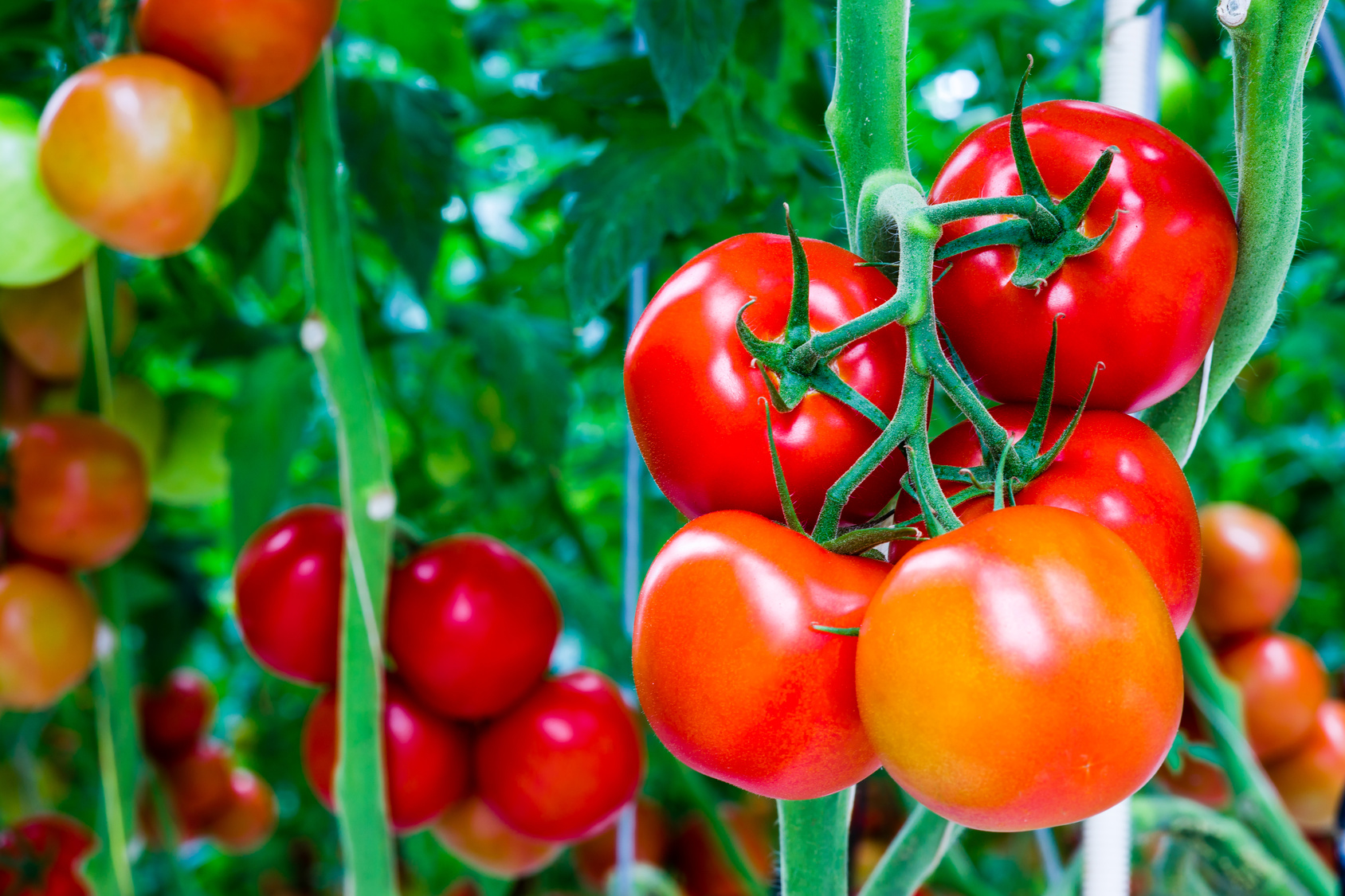
Why Traditional Farming No Longer Works
For generations, farming has been at the mercy of nature. However, in recent years, climate change has increased the frequency of extreme weather events—unseasonal rains, droughts, and heatwaves—that directly affect crop yields.
Increasing urbanization has reduced fertile farmland, water resources are becoming strained, and labour shortages with rising wages continue to make conventional farming riskier and less profitable.
The Rise of Protected Farming
Protected cultivation refers to growing crops inside controlled environments such as greenhouses, shade nets, and polyhouses. These structures protect crops from unpredictable weather, pests, and diseases while allowing complete control over irrigation, humidity, temperature, and light.
Combined with advanced farming technologies such as drip irrigation, fertigation, hydroponics, and climate-controlled systems, it becomes one of the most efficient approaches for cultivating high-value crops.
Why Exotic Vegetables?
Exotic vegetables such as lettuce, coloured bell peppers, broccoli, cherry tomatoes, zucchini, asparagus and bok choy are experiencing increasing demand across urban markets, restaurants, hotels and premium retail stores.
Since these crops are highly sensitive to environmental fluctuations, open-field farming often fails to provide the consistency required for quality production.
“Exotic vegetables fetch premium prices in domestic and export markets, offering higher returns per acre than conventional crops.”
Protected cultivation creates the ideal environment for these crops, ensuring consistent quality, better yields, and higher profitability throughout the year.
In the face of growing challenges like unpredictable weather, shrinking farmlands, water scarcity, and labor shortages, traditional farming is rapidly losing its economic viability. Today's agripreneurs—dynamic individuals blending agriculture with entrepreneurship—are reimagining the future of farming through innovative methods. One such high-potential opportunity is advanced and protected exotic vegetables farming.
Exotic vegetables fetch premium prices in domestic and export markets, offering higher returns per acre than conventional crops like wheat or rice.
Climate Resilience
Shielding crops from erratic weather significantly reduces risk and crop failure.
Efficient Resource Use
Drip irrigation and controlled fertigation minimize water and fertilizer usage while maximizing efficiency.
Higher Productivity
Multiple crop cycles per year are possible, increasing annual yield and profits.
Premium Market Access
Exotic vegetables cater to high-end retail chains, restaurants, and export markets, ensuring higher margins.
Employment Generation
These projects often create skilled jobs in farm management, harvesting, packaging, and logistics.
Ready to Experience
Protected Farming?
Join AgriLogique's fractional farming model and become part of India's next generation of smart agriculture. Learn practical farming while investing in real cultivation projects.
Climate Smart
Protected farming shields crops from unpredictable weather.
Higher Returns
Grow premium vegetables with significantly better profitability.
Sustainable Farming
Efficient water, fertilizer and resource utilization.